Sourcing Character-Rich Fabrics

Hunting for the right material is part detective work, part love story. Estate sales, trunk shows, thrift shops, and family attics hide silks with brilliant patina and linens holding generations of memories. Learn to assess condition, fiber content, and pattern scale with confidence. Embrace imperfections as design opportunities, and imagine how a distressed damask becomes a luminous pillow or a time-softened quilt transforms into a romantic bench cover. Ethical sourcing keeps treasures in circulation, saving resources while preserving craft traditions worth celebrating in every room.

Preparing and Restoring Vintage Textiles

Gentle Cleaning That Respects History

Start with a soft brush and vacuum-on-low through a mesh screen to lift dust without disturbing fragile fibers. Hand-wash only when fibers and dyes tolerate water, using cool temperatures and mild, dye-free detergents. Test a hidden corner for bleeding and texture changes. For non-washable pieces, seek professional conservation laundering or rely on careful dry cleaning with clear instructions. Air-dry flat, supported by towels to prevent stretching. Sunlight can brighten but also weaken fibers, so limit exposure. Patience preserves luster while preventing warping and regrettable color migration.

Mending, Backing, and Stabilizing

Invisible mends can transform a nearly lost fragment into a viable showpiece. Use fine needlework to secure small splits before they spread. When structural reinforcement is needed, add lightweight woven backing or fusible interlining rated for delicate materials. Stabilize stress zones near zippers, corners, and ties. Consider hand-basting layers before stitching to maintain alignment. For very delicate brocades, a full lining with French seams protects edges and distributes tension. Reinforcement is not a compromise; it is a respectful collaboration that lets fragile beauty live gracefully in everyday settings.

Color Tests, Shrinkage, and Sunlight

Create small swatches from trimmed edges and test with damp cotton swabs to catch dye transfer. Measure pieces before and after gentle rinsing to gauge shrinkage, planning seam allowances accordingly. Some vintage wools relax beautifully with steam, while rayon can surprise with distortion. Sunlight brightens whites but can yellow silk and weaken cotton staples. When in doubt, opt for shadow-drying and low-heat pressing. Document your results for future projects, building a personal reference that turns uncertainty into expertise and guards every precious yard from unfortunate surprises.

Design Alchemy: From Fabric to Statement Piece
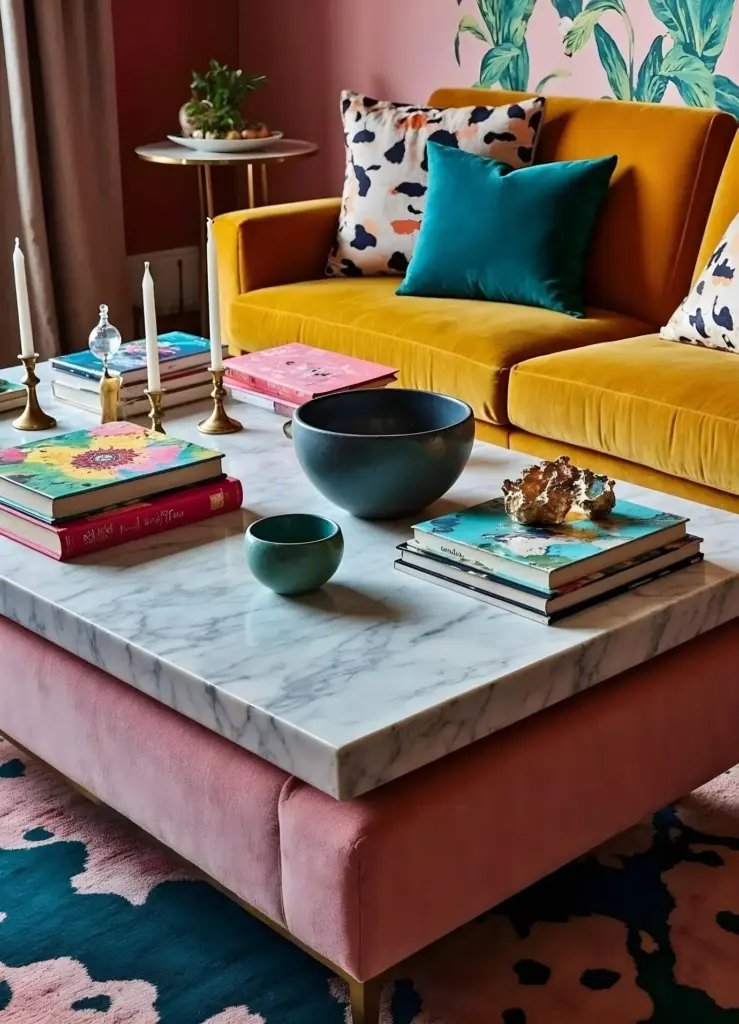
Transforming storied cloth into showstopping accessories begins with intention. Study pattern scale, directional motifs, and sheen against your room’s light. Sketch, mock up, and pin to visualize proportion. Mix textures thoughtfully: matte linen with lustrous silk, nubby wool with polished leather trims. Choose forms that highlight standout details rather than hide them. Consider contrast piping, metallic zippers, or carved hardware to elevate craftsmanship. When design aligns with narrative, an ordinary corner gains poetry, and the gentle irregularities of age become the glamorous heartbeat of your home.

Showpiece Pillows and Bolsters

Center the most compelling motif and frame it with contrast piping that echoes a secondary hue. Use down-alternative inserts for structure if allergies are a concern. Add zip guards to protect delicate fibers. Back with a durable coordinating textile to preserve the heirloom front. Stitch-in-the-ditch around motifs to control shifting. For bolsters, employ sturdy end circles and interfaced body panels. These decisions yield comfortable, glamorous accents that respect history while delivering the plush, inviting presence associated with boutique interiors and thoughtfully layered seating arrangements.

Tailored Lampshades and Sconces

Choose a frame shape that flatters the pattern’s flow, from classic empire to crisp drum. Laminate the vintage fabric to a fire-retardant backing designed for lighting. Seam along low-visibility lines and finish edges with bias binding or gimp trim. Mind light bleed and pattern reversal when illuminated. Add discreet clips for stability. Pair with warm bulbs that flatter tone and texture. The result is a glow that feels collected and intentional, turning evening hours into a curated gallery of soft shadows, subtle sheen, and quiet romance.

Edges, Seams, and Invisible Closures

Finish raw edges with serging, zigzag, or bound seams to prevent fray without bulk. Position invisible zippers slightly inset from corners to avoid stress points, and back them with a narrow strip of lightweight twill tape. Hand-ladder closing stitches lend museum-level subtlety to cushions. Grade seams to minimize ridges, then understitch where appropriate for stability. Small, careful choices accumulate into a premium feel, allowing the fabric’s vintage character to glow without distraction from rippling edges, wavy closures, or visible stitches that interrupt the refined silhouette.

Linings, Interlinings, and Structure

Linings protect delicate fibers from abrasion and skin oils, while interlinings add body and opacity. Choose breathable cotton sateen for pillows, blackout for panels that require light control, or hair canvas for structured accents. Baste layers meticulously to prevent migration. For lampshades, use heat-safe laminates matched to fabric thickness. Reinforce stress zones with unobtrusive patches. Intentional structure enhances luxury by supporting shape, drape, and longevity, enabling vintage textiles to perform beautifully without compromising their inherent softness, historical patina, or mesmerizing interplay of weave and sheen.

Pressing, Blocking, and Care Tags

Press with a protective cloth and moderate steam, testing a scrap to ensure no watermarking or shine. Block pieces on a gridded board to square edges before final assembly. Avoid high heat on silk and rayon; use lower settings and longer rest periods. Create custom care tags noting cleaning preferences and origin details. These tags serve both as practical guidance and as storytelling anchors. With careful pressing and documentation, your creation feels museum-respectful yet comfortably livable, ready to be enjoyed, maintained, and admired without anxiety.

Finishing Techniques for Boutique-Level Results

Professional finishes distinguish heirloom-quality pieces from casual experiments. Thoughtful seam treatments, well-chosen interlinings, and accurate pressing create crisp edges and graceful drape. Invisible zippers disappear; hand-closed openings retain integrity. Labels documenting origin and care enrich narrative value. Consider weight distribution, corner shaping, and thread selection matched to fabric era and fiber. Through meticulous finishing, each project communicates intention and care, transforming recycled cloth into luxurious objects that feel collected, curated, and future-ready for generations who appreciate craft, sustainability, and quietly stunning detail work.

Styling, Storytelling, and Sharing Your Work
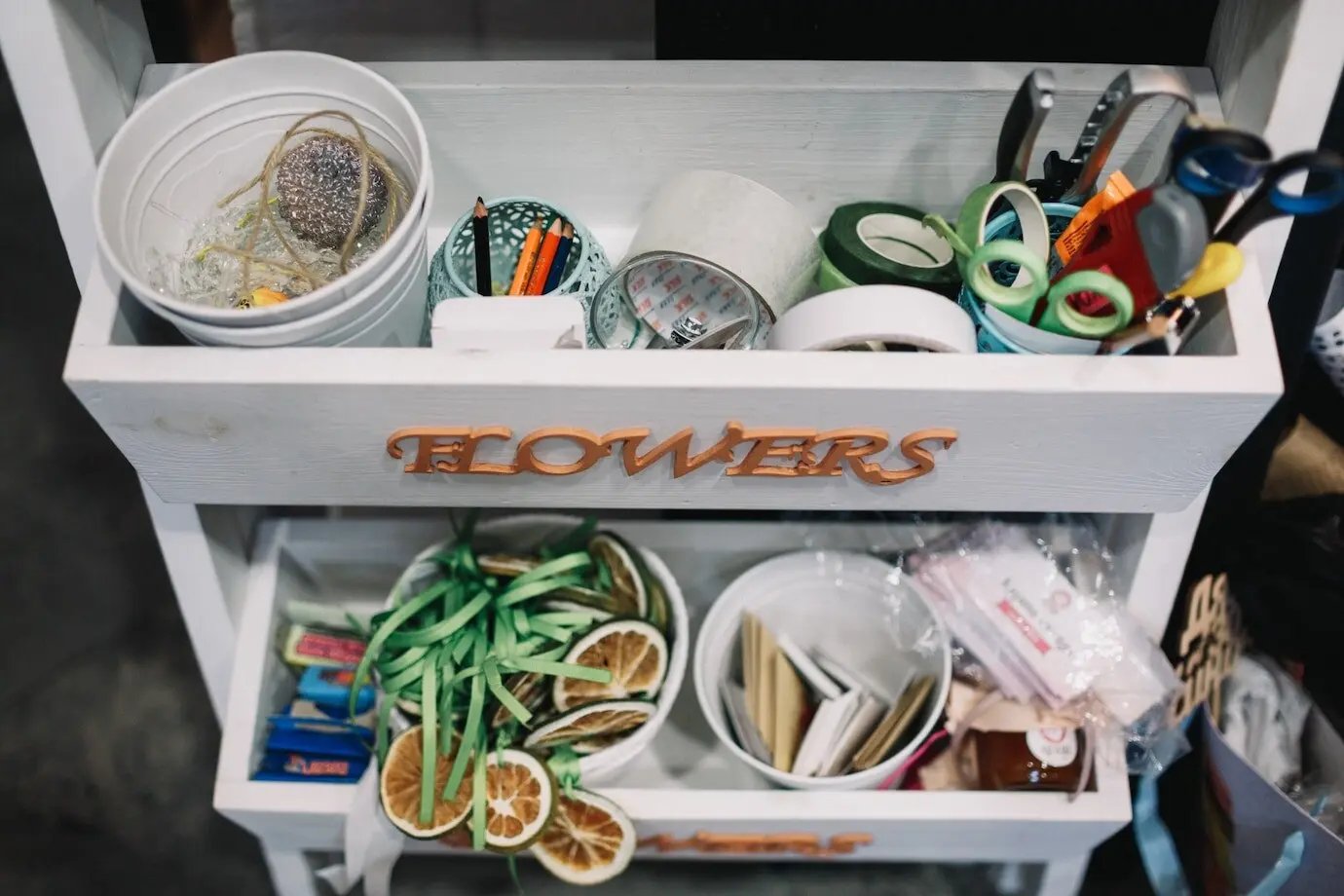
Once finished, let your pieces breathe in settings that honor their origins. Pair a regal brocade pillow with casual linen throws to create approachable luxury. Compose vignettes with books, ceramics, and plants that echo palette and texture. Photograph in natural light to capture weave and sheen honestly. Share the fabric’s journey from discovery to restoration, inspiring others to rescue forgotten beauties. Invite comments, questions, and ideas. Join or build a community that values craftsmanship, sustainability, memory, and the deeply human joy of making something meaningful by hand.
Tetititimeta
Privacy Overview

This website uses cookies so that we can provide you with the best user experience possible. Cookie information is stored in your browser and performs functions such as recognising you when you return to our website and helping our team to understand which sections of the website you find most interesting and useful.