From Waste to Wonder: Materials That Carry Memory

Every bottle, jar, beam, and bracket has a past, and that history lives on when recycled glass and metal become luminous centerpieces. Understanding feedstock streams, contamination challenges, and melt or smelt efficiencies reveals how responsible sourcing directly shapes aesthetics, durability, cost, and environmental impact.

Sourcing Post‑Consumer Glass Responsibly

Collected cullet from households and hospitality venues demands careful sorting by color and cleanliness before remelt or kiln‑forming. Transparent supply chains, community bottle drives, and partnerships with recyclers improve yield, reduce impurities that cause devitrification, and unlock consistent light diffusion without hiding the authentic bubbles, ripples, and charming irregularities that make each piece feel alive.

Reclaimed Metals with Character and Strength

Offcuts from fabrication shops, decommissioned fixtures, and architectural salvage provide aluminum, steel, and brass with proven strength and patina. After de‑nailing, degreasing, and annealing where needed, these alloys can be rolled, bent, or spun, balancing structural reliability with surface stories that celebrate longevity, repairability, and traceable, lower‑impact material lifecycles.

Lifecycle Thinking That Guides Every Choice

Considering extraction alternatives, transport distances, remanufacturing energy, and end‑of‑life disassembly helps designers avoid trade‑offs that simply shift burdens elsewhere. Choosing reversible fasteners, standardized bulbs, and recyclable coatings keeps future pathways open, so fixtures can be upgraded or reborn again rather than consigned to landfill after a single stylistic season.

Aesthetics Forged by Light, Texture, and Patina

Recycled glass scatters, softens, and amplifies illumination through tiny bubbles and wavelets, while reclaimed metal frames add contrast, rhythm, and grounding mass. Embracing these honest textures yields pieces that feel warm, contemporary, and delightfully human, pairing clean silhouettes with tactile detail that rewards close inspection and daily living.

Diffusion, Glare, and the Poetry of Imperfection

Bubbles act like micro‑lenses, bending light in gentle, unpredictable ways that tame glare while preserving sparkle. Ground edges and sandblasted panels further control hotspots, allowing dimmable LEDs to perform beautifully, creating scenes that balance task clarity with comfort, intimacy, and the quiet mystery of handcrafted surfaces.

Patina as a Living Finish

Oxidized copper, blackened steel, and brushed aluminum evolve with touch and time, recording daily rituals rather than hiding them. Protective waxes and low‑VOC sealers slow change without freezing it, letting color shifts and highlights grow richer, echoing the way sunlight travels across a room through the year.

Minimal Lines, Industrial Soul

Pair a slender profile with exposed fasteners, rivets, or visible seams to honor how things are made. The dialogue between precision and roughness invites conversation, grounding sleek forms in origin stories that resonate in lofts, cottages, offices, and galleries without feeling performative or contrived.

Engineering Reliability for Everyday Use

Beauty should never outshine safety. Thoughtful engineering addresses heat management, strain relief, balanced weight distribution, and compatible drivers for high‑efficiency LEDs. Specifying certified components and robust joinery ensures fixtures endure cleaning, movement, and years of on‑off cycles without flicker, sag, or finishes degrading under real‑world conditions.

Hands‑On Methods: Studio Techniques and DIY Paths

Whether you run a studio or weekend workshop, simple processes unlock striking results. Cold‑working glass, slumping reclaimed panes, and shaping salvaged metal with brakes or hammers require patience, PPE, and good ventilation, but reward you with pieces whose beauty comes from caring, deliberate hands and iterative experimentation.

Cold‑Working Recycled Glass Safely

Score gently, use water to manage dust, and dress edges on diamond wheels before flame‑polishing or bead‑blasting. Eye protection, gloves, and masks are non‑negotiable. Subtle chamfers reduce chipping and injury risks, while jigs ensure repeatable dimensions for shades that hang level and diffuse evenly across a room.

Joining Metal Without Welding

Rivets, tapped threads, and mechanical clamps avoid heat that can warp finishes or weaken tempered glass nearby. Structural epoxies rated for temperature cycling add backup where needed, yet designs should favor disassembly, allowing future repairs, refinishing, or upgrades instead of locking components into brittle, single‑use assemblies.

Finishes, Sealers, and Care in the Studio
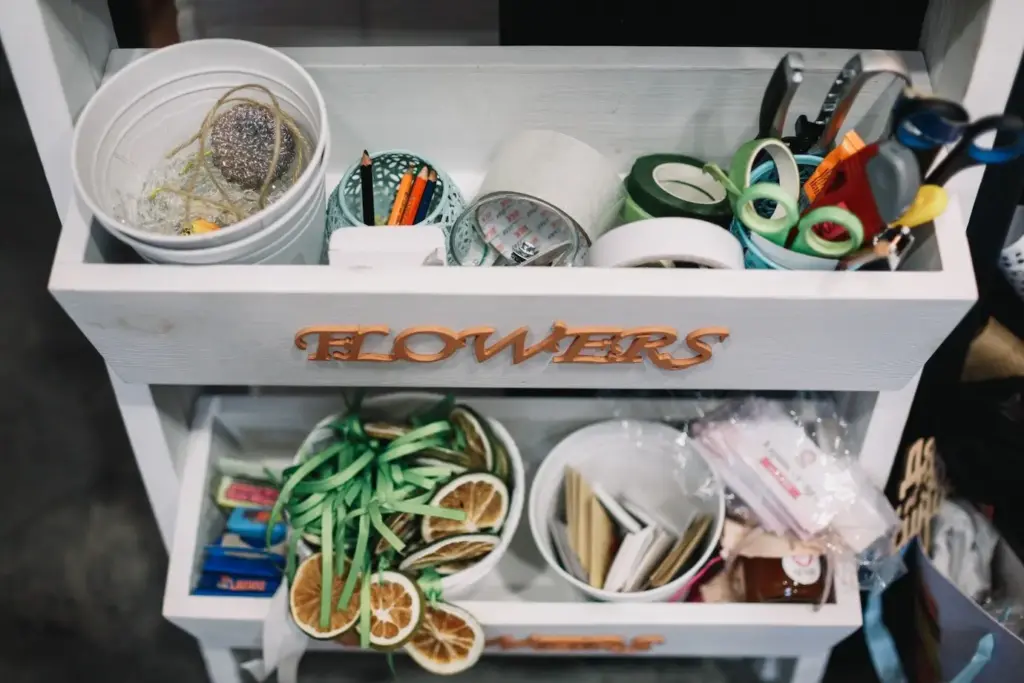
Choose low‑VOC lacquers, waxes, or plant‑based oils compatible with recycled metals, and test for yellowing near LEDs. Clean glass with non‑ammonia solutions and lint‑free cloths. Label hardware, keep build logs, and photograph steps so future you or collaborators can replicate or improve successful processes confidently.

A Restaurant Pendant from Last Night’s Bottles

A bistro partnered with its waste hauler and a neighborhood glass studio to turn green wine bottles into drum shades. Staff sorted, labels soaked off, and batches became weekly lighting. Diners noticed softer glare, while management celebrated lower procurement costs and a story servers loved retelling.

Coastal Sconces with Weathered Metal

A seaside cottage rescued corroded chain and hand‑raked beach glass, pairing them with stainless backplates for longevity. The patina whispered of storms and summers, while sealed seams resisted salt air. Guests arrived after dark and immediately felt oriented, welcomed, and quietly connected to the shoreline’s changing moods.

Modular Chandelier for a Growing Family

When a nursery became a homework zone, parents reconfigured a modular chandelier built from spun‑reclaimed aluminum and slumped jar shades. Extra arms stored in a closet clicked in easily, raising lumen levels for projects, while bedtime dimming scenes preserved rituals that kept evenings peaceful and unhurried.

Choosing, Caring, and Growing Your Collection

Before buying, evaluate light output, beam spread, driver compatibility, and serviceability, then consider how patina and glass color play with your finishes. After installation, set reminders for cleaning and safety checks. Share questions, subscribe for new guides, and tell us what you’re building or dreaming up next.
Tetititimeta
Privacy Overview

This website uses cookies so that we can provide you with the best user experience possible. Cookie information is stored in your browser and performs functions such as recognising you when you return to our website and helping our team to understand which sections of the website you find most interesting and useful.