Understanding Character and Contrast

Grain That Tells a Story

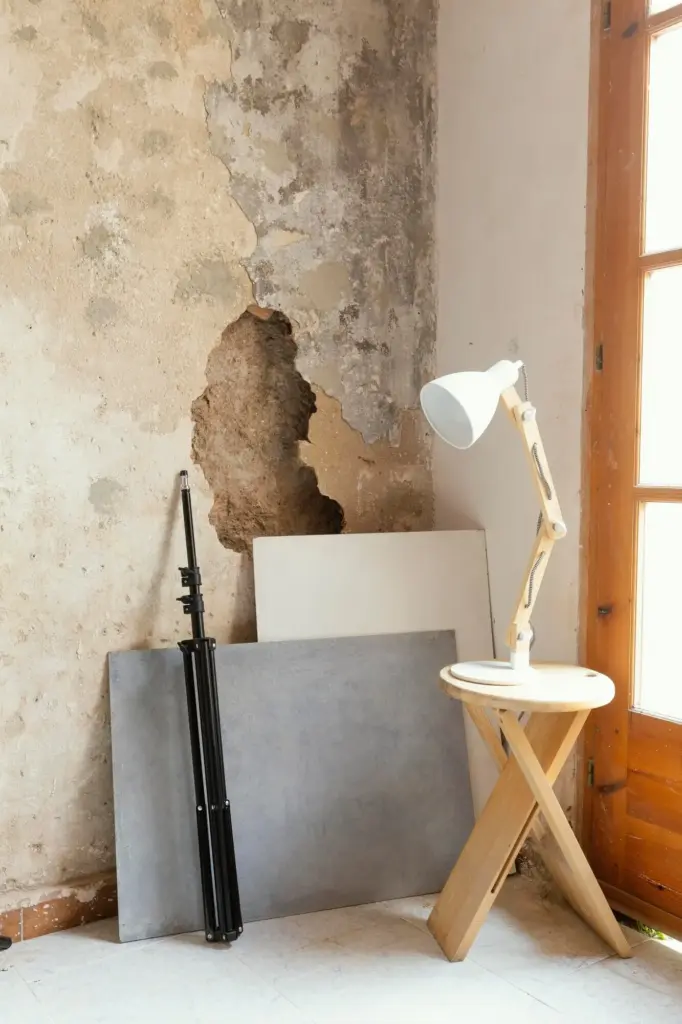
Weathered grain records years of service as faint saw marks, oxidized edges, and sun‑bleached fades. In a contemporary living room, that lived texture becomes a quiet focal point, inviting touch while preserving visual restraint. Place pieces where natural light grazes the surface, allowing highlights and shadows to animate the wood’s history without overwhelming your streamlined arrangement.

Balancing Minimal Lines

Minimalism loves intention. Pair reclaimed boards with lean silhouettes, thin profiles, and generous negative space to keep the eye relaxed. Use consistent reveals and crisp geometry so character reads as accent, not clutter. Airy legs, concealed brackets, and flush transitions let the material’s warmth coexist with an uncluttered plan, preserving the room’s meditative flow and clarity.

Sustainability With Soul

Beyond beauty, reclaimed wood extends the lifecycle of existing material, lowering demand for newly harvested timber and reducing embodied carbon. Look for recycled content disclosures and responsible reclaim practices that respect local ecosystems. Designing with reuse adds narrative and conscience, transforming a living room into a space that feels grounded, responsible, and quietly aligned with long‑term stewardship.

Where to Source and How to Verify

Trustworthy sourcing safeguards quality and principles. Seek specialized salvage yards, architectural reclaim shops, and mills that kiln‑treat, denail, and grade stock properly. Ask questions about moisture content, origin, and process transparency. Responsible vendors proudly share documentation, sample finishes, and guidance, helping you select with confidence while aligning the purchase with your design values and performance expectations.

Trusted Suppliers and Certifications

Work with suppliers who provide clear grading and preparation details, including kiln‑drying and metal detection. Certifications like FSC Recycled can support your sustainability goals, especially for larger projects. While not every board carries formal credentials, reputable dealers offer traceable sourcing, honest condition notes, and realistic lead times, keeping your living room project predictable, ethical, and beautifully executed.

Provenance and Documentation

Ask for the material’s backstory and any available records: prior use, region of origin, species, and dates of salvage. Photographs of the source site or mill processes can clarify expectations. Documentation reduces surprises during finishing and installation, ensures compatibility with your climate, and provides a memorable narrative you can share with guests as your space welcomes everyday life.

Inspecting for Integrity

Examine boards for embedded fasteners, pest activity, and hidden coatings like lead paint. Check moisture with a meter; stabilized wood minimizes post‑installation movement. When in doubt, request kiln treatment, planing, and joint tests. A careful inspection safeguards tools, installers, and finishes, delivering reclaimed accents that perform like modern materials while retaining the character that drew you in.

Accent Ideas That Transform Without Clutter

Targeted interventions can shift the mood of a room without crowding it. Prioritize one or two strong gestures, then echo them with smaller details. Consider a textured plane, a sculptural surface, or a functional piece that earns its footprint. Thoughtful repetition of tone and rhythm ties everything together, keeping the living area calm, bright, and purposeful.

Neutral Palettes With Temperature Control

Balance warm wood with cool neutrals so tones feel intentional, not muddy. Soft grays, bone whites, or muted taupes let patina breathe. Introduce a controlled accent color—sage, ink, or rust—for depth. Keep repetition disciplined across textiles and artwork, ensuring the wood reads as a welcoming constant while color quietly refreshes mood without crowding lines or diminishing clarity.

Metal, Glass, and Concrete

Pair reclaimed boards with brushed nickel, blackened steel, or satin brass to contrast texture with refinement. Low‑iron glass keeps edges crisp, while honed concrete grounds the palette. Repetition of finish tones across lamps, frames, and table bases builds cohesion. This mix celebrates tactility and restraint, letting each material complement the next without shouting or competing for attention.

Lighting That Loves Texture

Directional light grazes texture beautifully. Combine dimmable recessed fixtures with a warm‑tone floor lamp and a focused picture light over your wood feature. Use layered controls to shift from lively hosting to evening calm. Slightly warmer bulbs flatter patina, while glare control and shielding protect comfort. Thoughtful lighting turns quiet grain into a gentle, living presence.

Installation, Safety, and Care

Preparation protects both appearance and health. Clean thoroughly, remove nails, and request kiln treatment when appropriate. Choose low‑VOC finishes to maintain indoor air quality. Plan for wood movement with expansion gaps and flexible mounting strategies. With proper sealing and gentle maintenance, reclaimed accents age gracefully, resisting busy family rhythms while retaining the ease and polish of modern design.

Small Spaces, Big Impact

Apartments and compact living rooms benefit from carefully scaled accents that deliver presence without bulk. Aim for slim profiles, movable pieces, and visually quiet detailing. Strategic placement near windows, corners, and circulation paths preserves openness. By curating just a few resonant gestures, you achieve a room that feels larger, brighter, and distinctly personal with minimal material.

Stories From Real Living Rooms

Narratives help ideas feel possible. From urban lofts to quiet condos, reclaimed accents prove adaptable and sincere. These snapshots reveal how subtle choices—finish sheen, bracket style, or shelf spacing—reshape daily rituals. Consider what resonates, then share your own experiences or questions in the comments. Your insights may guide our next set of practical experiments together.

From Barn to Brooklyn Loft

Salvaged oak joists became a slatted media wall, hiding cables while letting sound breathe. Brushed, not sanded flat, the boards caught sunset light like corduroy. Against concrete floors and a low, linen sofa, the surface read refined, not rustic, proving reclaimed texture can feel urbane when details stay crisp and color temperatures remain thoughtfully tuned.

A Minimalist Family’s Mantel

A slender reclaimed beam replaced a heavy surround, freeing floor area and simplifying lines. The finish matched white‑oak floors, while subtle chamfers softened corners for curious toddlers. Seasonal art rotated above, keeping the room fresh without new purchases. The piece felt like a quiet promise: family life can be beautiful, durable, and gracefully uncomplicated.

Community‑Driven Coffee Table

Neighbors donated planks from a dismantled deck, and a local fabricator added a powder‑coated base. The result? A trim table that sparked conversation at every gathering. Its origin story encouraged guests to slow down, handle the surface, and share memories. Design turned communal, reminding everyone that sustainability deepens meaning when people are part of the process.
Tetititimeta
Privacy Overview

This website uses cookies so that we can provide you with the best user experience possible. Cookie information is stored in your browser and performs functions such as recognising you when you return to our website and helping our team to understand which sections of the website you find most interesting and useful.